
See-Discern-Act
Learn-Engage-Grow
Innovate-Educate-Collaborate
The English word “nine” used for number 9 appears 50 times in Bible verses. In the study of comparative religions, the number 9 symbolizes divine completeness or conveys the meaning of finality. The number “three” has profound symbolism in the study of religion, which recurrently marks divine intervention, completeness, and spiritual significance.
So think about these nine words as a set of three: Think in terms of divine intervention, spiritual awareness, and a sense of finality.
See-Discern-Act
Learn-Engage-Grow
Innovate-Educate-Collaborate
Look for the pattern in all nine words and consider what they convey.
Think about the Structural Pattern: Each set consists of three words that follow a similar grammatical structure. All nine words are verbs or verb-like words. All nine words together should give us a sense of “Action.” Movement and Orientation towards Progression of the Greater Good: Each set implies a developmental or transformative sequence.
The first set (See-Discern-Act):
- Suggests a process of perception, understanding, and then taking action
- Implies moving from observation to insight to implementation
The second set (Learn-Engage-Grow):
- Indicates a personal development trajectory
- Suggests acquiring knowledge, getting involved, and then developing/expanding
The Third set (Innovate-Educate-Collaborate):
- Implies a progressive approach to collective improvement
- Suggests creating new ideas, sharing knowledge, and working together
Reflect on the “Thematic Similarities:” All sets share themes of:
- Personal or collective development
- Progression from one state to another
- Active, intentional movement
- Empowerment and positive change
Now, reflect on the nine words as a theme for our lives. Think of the Sermon on the Mount as a document containing profound moral and ethical living teachings, emphasizing internal transformation leading to external action.
Let me break down some key principles of taking action based on this sermon using the nine words as a theme:
- Active Righteousness The sermon moves beyond mere rule-following to transforming one’s inner character. Jesus repeatedly uses the phrase “You have heard it said… but I tell you,” which calls for a deeper, more proactive approach to moral living. This means not just avoiding wrong but actively doing good.
- Practical Compassion Key teachings include:
-
- Peacemaking (blessed are the peacemakers)
- Turning the other cheek
- Loving enemies
- Helping those in need These aren’t passive concepts but active calls to radical love and compassion that require deliberate, often difficult choices.
- Intentional Living The sermon emphasizes:
-
- Being “salt and light” in the world
- Going the extra mile
- Giving to those who ask
- Not judging others but addressing one’s shortcomings first
- Ethical Integrity Jesus teaches about:
-
- Authentic prayer
- Genuine charitable giving (done privately, not for show)
- Trusting in God while taking responsible action
- Making wise choices (like building your “house” on a solid foundation)
- Transformative Action The core message is that true righteousness isn’t about external compliance but internal transformation that naturally leads to meaningful action. It’s about cultivating a heart that genuinely cares for others and seeks to do good.
The Sermon on the Mount essentially calls people to a higher standard of living – one where actions flow from a transformed heart characterized by love, mercy, authenticity, and a deep commitment to doing what is right, not just what is legally or socially acceptable.
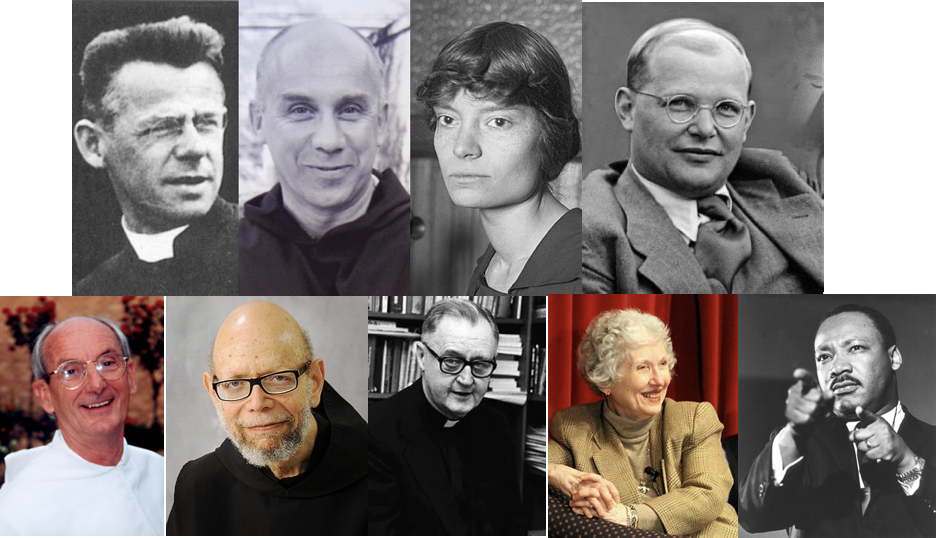
Nine Christian activists who understood the Social Teaching of the Sermon on the Mount. Study their lives and look for the “nines.”
Discover more from Innovate ~ Educate ~ Collaborate
Subscribe to get the latest posts sent to your email.
 Innovate ~ Educate ~ Collaborate
You must be logged in to post a comment.